
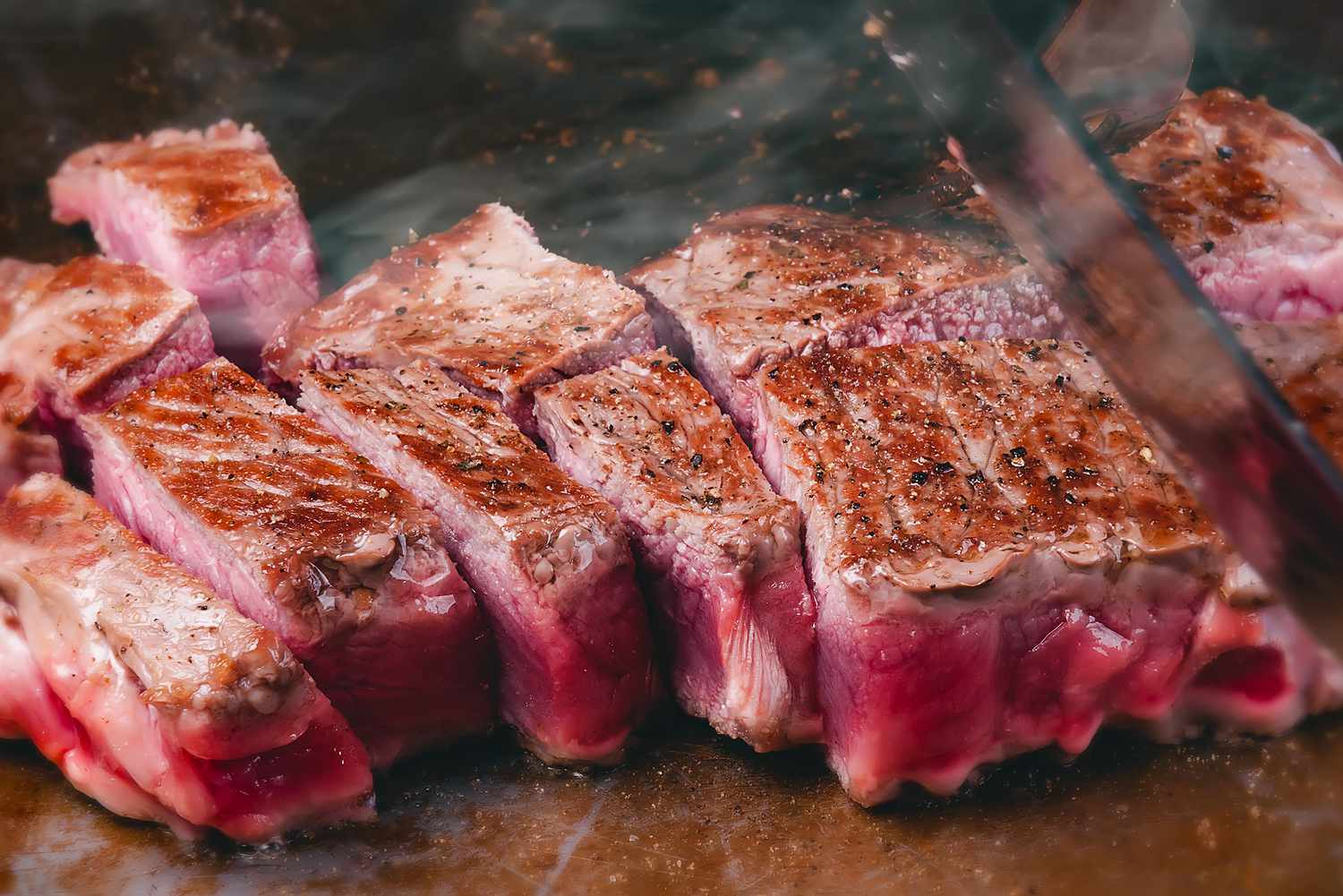
Japanese Wagyu beef is renowned worldwide for its exceptional marbling, tenderness, and rich flavor. This delicacy has become synonymous with luxury dining experiences and is often sought after by food enthusiasts looking to indulge in premium quality meat. Understanding what makes authentic Japanese Wagyu unique can enhance appreciation and guide consumers toward making informed choices.
Authentic Japanese Wagyu originates from specific cattle breeds raised in Japan under strict regulations. The term “Wagyu” literally means “Japanese cow,” but not all beef labeled as Wagyu outside Japan meets the rigorous standards set by Japanese authorities. True Wagyu comes from four native breeds: Japanese Black, japanese wagyu Polled. Among these, the Japanese Black breed accounts for the majority of high-grade Wagyu production due to its superior marbling characteristics.
One of the defining features of authentic Wagyu is its intense intramuscular fat distribution known as marbling. This fine webbing of fat throughout the muscle tissue melts at low temperatures during cooking, resulting in an incredibly tender texture and a buttery mouthfeel that distinguishes it from other types of beef. The fat also carries complex flavors that contribute to a rich umami taste profile highly prized by chefs and connoisseurs alike.
The grading system used in Japan further ensures quality assurance for consumers seeking genuine Wagyu beef. Beef is graded based on yield (A to C) and quality (1 to 5), with A5 representing the highest possible grade combining excellent yield with superior marbling, color, texture, and fat quality. When purchasing Wagyu abroad or domestically outside Japan, look for certification labels such as those issued by the Japan Meat Grading Association or official import tags verifying authenticity.
Preparing authentic Japanese Wagyu requires careful attention due to its delicate nature. Because of its high-fat content, it cooks quickly; overcooking can cause loss of flavor and texture integrity. Many prefer simple cooking methods like searing or grilling at moderate heat to preserve moisture while allowing the fat to render slowly into succulent juiciness. Serving smaller portions also highlights its richness without overwhelming the palate.
In conclusion, authentic Japanese Wagyu beef offers a unique culinary experience characterized by unparalleled tenderness and depth of flavor derived from meticulous breeding practices and stringent grading standards in Japan. By understanding these elements-originating breeds, marbling significance, grading criteria-and proper cooking techniques enthusiasts can fully appreciate this luxurious ingredient’s true essence when enjoying it at home or in fine dining establishments around the world.